
Keloid & Hypertrophic Scar Treatment Technology
What is a keloid scar?
Skin is remarkably good at protecting and healing itself, and after any injury a scar forms as part of that repair. In some people the healing does not switch off. Fibroblasts keep producing collagen, new blood vessels keep feeding the area, and the scar grows into a firm, raised, often red or dark lump.
A keloid spreads beyond the edges of the original wound and can keep growing long after the wound has closed. A hypertrophic scar looks similar, red, raised and inflamed, but stays within the original injury and may slowly settle. Both can itch, feel tender or tight, and over time affect movement. Keloids are more common in people with darker or ethnic skin tones and often run in families.
What causes keloids and hypertrophic scars?
- Excess collagen production by overactive fibroblasts during healing
- Ongoing inflammation and new blood vessels that keep feeding the scar
- Tension on the wound, especially on the chest, shoulders, upper back and jawline
- Ear and body piercings, surgery, C-sections, acne, burns, vaccinations and minor injuries
- Genetics, darker skin tones and hormonal changes such as puberty and pregnancy
Why is keloid treatment at Paad Wellness different?
Committed to: treating every part of the scar (its blood supply, its overgrown collagen, its colour and its texture) with non-surgical technologies matched to the scar’s age and stage, and working alongside your dermatologist or surgeon where injections or other medical care are part of your plan.
Against: cutting keloids out on their own, which carries a high risk of the scar growing back larger, and single-device approaches that flatten a scar but leave it red, dark or shiny.
Vancouver’s evidence-informed skin clinic combining six technologies (Regenlite PDL, Nordlys, cryotherapy, LPG Endermologie, microneedling and Bloomea) to flatten raised scars, cut off the blood supply that feeds them and blend them back into the surrounding skin, without surgery.
Regenlite Pulsed Dye Laser
What is Regenlite?
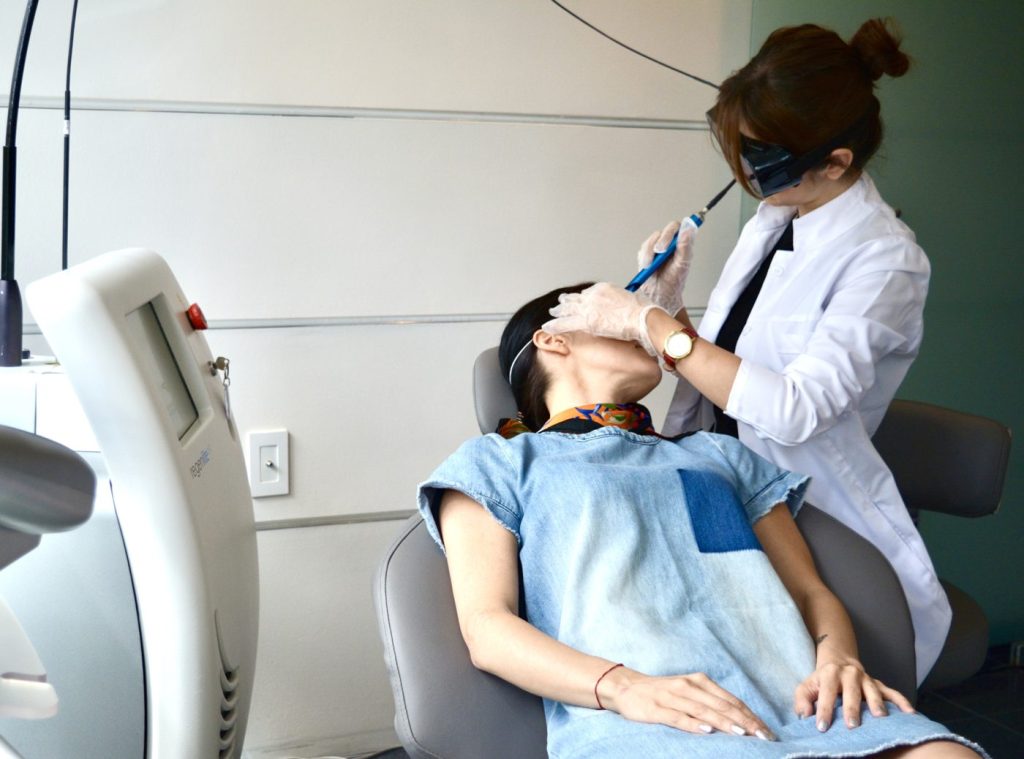
Regenlite is a pulsed dye laser (PDL) with Smart Pulse technology. Its yellow-light wavelength (585–595 nm) is absorbed by the blood in small vessels while sparing the surrounding normal tissue, so it can treat the red, active part of a scar precisely.
How does Regenlite work on keloids?
The excess blood vessels inside a keloid both feed its growth and give it its red, inflamed look. Regenlite offers three treatment modes:
Works like a classic PDL to close down the excess vessels feeding the keloid while preserving normal tissue. This helps slow the formation and growth of keloids, with the best results in newer scars that are still red or pink.
For flat or depressed scars, suture-line scars and stretch marks, it reactivates collagen synthesis beneath the skin for a smoother, more even surface.
Combines both settings for mixed scar patterns, such as a scar that is raised in one area and sunken in another, or a contracture scar.
What does Regenlite do for my scar?
- Reduces the blood supply that feeds keloid growth
- Fades redness and calms itching and tenderness
- Softens and flattens raised scar tissue over a course
- Rebuilds collagen in flat, depressed or mixed scars
- Suitable for all skin types and shades
Which areas can be treated?
Earlobes, face, jawline, neck, chest, shoulders, back, arms and surgical or C-section scars on the body.
What can I expect?
Most clients feel a range of sensations, from gentle warmth to quick, intense heat, depending on the laser treatment settings. A small scar takes only a few minutes; larger areas take longer. Depending on the settings, the scar may look redder, swollen or slightly bruised for a few days to a week.
Session
15–30 min
Typical course
4–9 sessions
Interval
2–4 weeks
Downtime
Minimal to moderate
Price range
$250–$750 per session
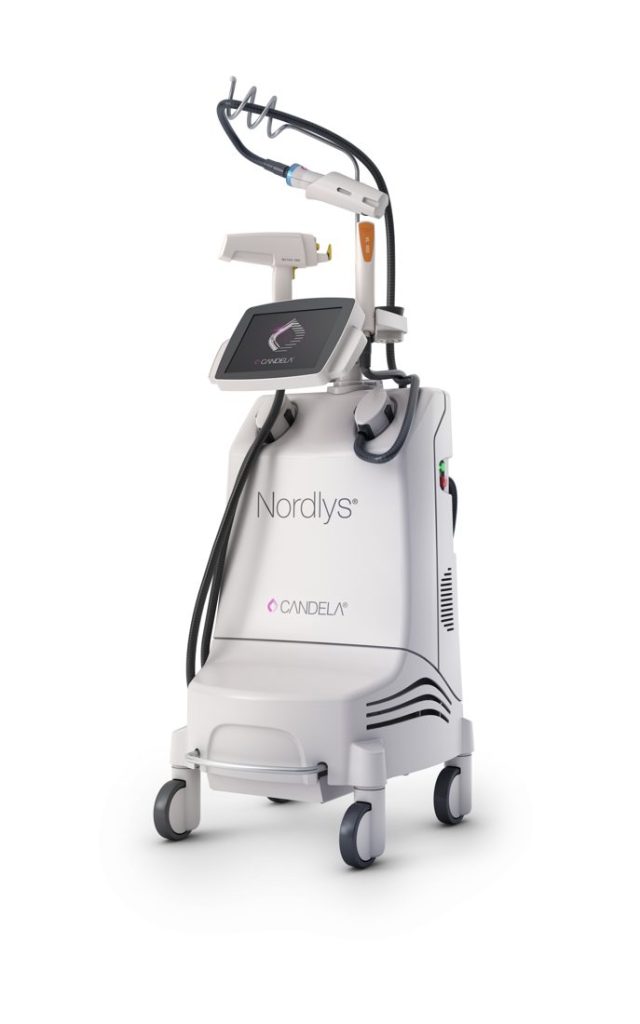
Nordlys by Candela
What is Nordlys?
Nordlys is a Health Canada licensed multi-application platform by Candela. For keloids and hypertrophic scars we use three of its technologies together: the Nd:YAG 1064 nm laser, the Frax 1550™ non-ablative fractional laser (NAFL) and Selective Waveband Technology (SWT®), a narrowband intense pulsed light. Each one treats a different part of the scar.
How does Nordlys work on keloids?
Reduces the blood supply
The 1064 nm wavelength reaches deeper than pulsed dye light. It targets the larger, deeper vessels that feed thick keloids and quiets the chronic inflammation in the dermis that keeps them growing. Studies of long-pulsed Nd:YAG on keloids and hypertrophic scars report softer, flatter, less red scars over a course of treatment.
Improves texture and blends edges
Frax 1550 places microscopic columns of heat deep in the dermis while leaving the skin surface intact. This remodels disorganized scar collagen and stimulates healthy new collagen. We treat the scar and about 1 cm of the skin around it, so the texture of the scar blends into the normal skin at its edges.
Evens out colour
Many scars stand out mainly because of colour. SWT’s dual filters target both the red of small blood vessels and the brown of excess pigment, reducing redness and post-inflammatory darkening so the scar matches the surrounding skin more closely and is less visible.
What does Nordlys do for my scar?
- Reduces the deeper vascularity that feeds keloid growth
- Softens and flattens thick, firm scar tissue
- Smooths rough, shiny or uneven scar texture
- Blends the scar’s edges into the surrounding skin
- Reduces both redness and dark pigmentation in the scar
Which areas can be treated?
Face, neck, chest, shoulders, back, arms, abdomen and surgical scars on the body.
What can I expect?
You will wear protective eyewear. Most clients feel a range of sensations, from gentle warmth to quick, intense heat, depending on the laser treatment settings, and a numbing cream may be used for the Frax 1550 step. The treated area is usually red and swollen for a few days, depending on the settings. Dark spots may darken briefly before they fade.
Session
~30–45 min
Typical course
3–6 sessions
Interval
2–4 weeks
Downtime
Minimal to moderate
Cryotherapy (Cryojet)
What is cryotherapy?
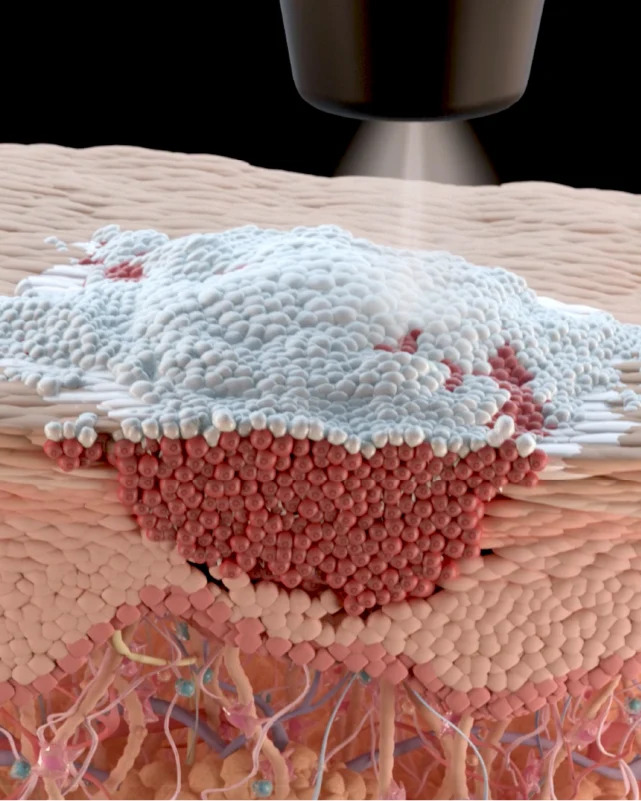
Cryotherapy treats a keloid with controlled, precise cold. At Paad Wellness we use the Cryojet cryotherapy device, which delivers a fine, targeted jet of cold to the scar while protecting the surrounding skin. Cryotherapy has been used for keloids since the 1980s and is one of the most studied treatments for raised scars.
How does cryotherapy work on keloids?
Freezing damages the tiny vessels inside the keloid, reducing its oxygen and blood supply. This shrinks and flattens the scar, and research shows it also shifts keloid fibroblasts back toward normal collagen production. On older, pale keloids that have stopped responding to treatment, cryotherapy can also reawaken the scar’s healing response so that it responds better to laser.
What does cryotherapy do for my scar?
- Reduces the volume of thick, raised keloids
- Flattens and softens firm scar tissue
- Eases itching and tenderness
- Prepares older, inactive keloids for laser treatment
Which areas can be treated?
Earlobe keloids, and raised keloids and hypertrophic scars on the face, chest, shoulders, back and limbs.
What can I expect?
You will feel intense cold and some stinging for a short time. The area may swell, blister and form a crust that heals over one to two weeks. Cryotherapy can lighten skin colour at the treated spot, which is more noticeable on darker skin, so we choose settings carefully and discuss this at your consultation.
Session
~15 min
Typical course
3–6 sessions
Interval
4–6 weeks
Downtime
Minimal to moderate
LPG Endermologie
What is LPG Endermologie?
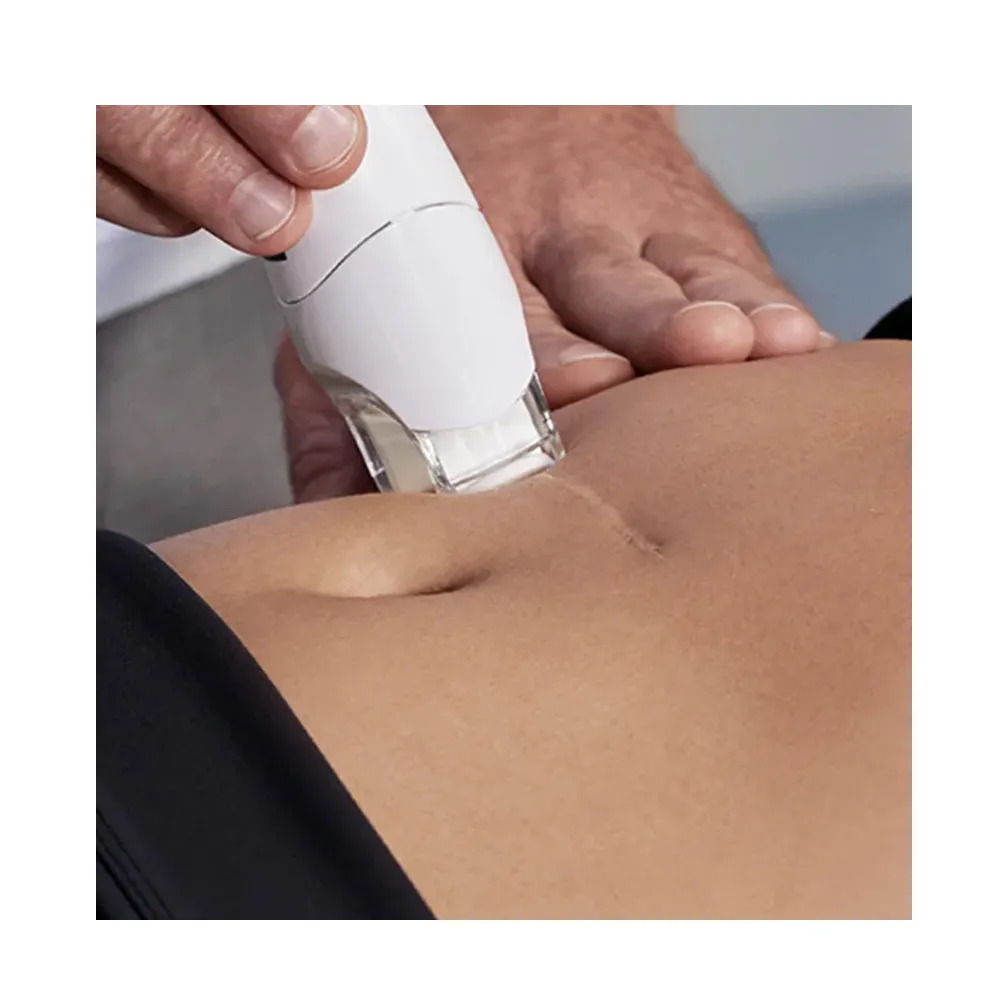
LPG Endermologie is a French mechanical technology that uses no light, heat or needles. It is a painless therapeutic method for scarring and fibrosis that works by gently massaging the tissue, without abrasive friction or uncontrolled pulling.
How does LPG work on keloids and hypertrophic scars?
A motorized treatment head lifts and rolls the skin in a controlled fold. This mechanical stimulation signals fibroblasts to lay down collagen and elastin in a more organized, parallel pattern instead of the dense, tangled bundles typical of keloids and hypertrophic scars. At the same time it loosens adhesion bands that tether the scar to deeper tissue and reduces fibrosis, improving circulation and lymphatic drainage. The small Ergolift head reaches narrow and delicate areas, and the clear treatment chamber lets the therapist watch the skin fold and blood flow throughout.
What does LPG do for my scar?
- Helps reduce keloid and hypertrophic scar thickness
- Reorganizes collagen and elastin fibres for healthier tissue
- Releases adhesions and reduces fibrosis
- Improves suppleness, elasticity and overall skin quality
- Eases tightness and improves joint mobility near the scar
- Helps prevent new scar tissue from building up after surgery
Which areas can be treated?
Surgical and traumatic scars, burn scars, skin grafts, post-radiation fibrosis and keloids or hypertrophic scars on the face, neck, chest, underarm and body.
What can I expect?
The treatment feels like a gentle, rhythmic massage, and the settings are adjusted to the sensitivity of your scar. The area may look slightly flushed for a short time from increased circulation. LPG is safe for thin and fragile tissue.
Session
20–30 min
Typical course
10–15 sessions
Interval
1–2 per week
Downtime
Minimal
Microneedling
What is microneedling?
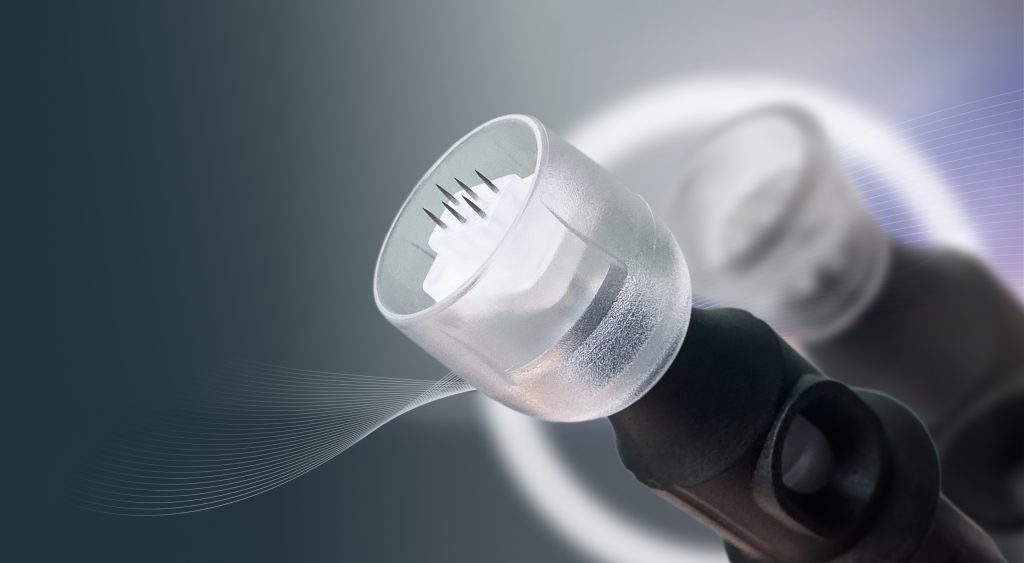
Clinical microneedling, also called Percutaneous Collagen Induction (PCI), is a minimally invasive treatment. We use amiea med, a German-made technology whose single-use needle cartridges have a patented safety membrane for high hygiene standards.
How does microneedling work on scars?
Very fine needles create thousands of controlled micro-channels in the scar. The skin responds by releasing growth factors that break down and rebuild scar collagen in a more normal pattern. For older, pale keloids and hypertrophic scars, a gentle microneedling session can bring the scar back into an active healing phase so it responds better to Regenlite. Once a raised scar has flattened, microneedling refines what remains.
What does microneedling do for my scar?
- Prepares older, inactive scars for laser treatment
- Softens flattened or residual scar texture
- Improves depressed areas in mixed scars
- Helps the scar surface blend with surrounding skin
- Suitable for all skin tones, including darker skin
Microneedling is not used on a keloid that is still actively growing. We decide when it fits into your plan at assessment.
Which areas can be treated?
Face, neck, chest, body and surgical, acne or traumatic scars.
What can I expect?
A numbing cream is applied first, so most clients feel only light pressure. The area looks pink, like a mild sunburn, for 1–3 days.
Session
~30–45 min
Typical course
3–4 sessions
Interval
4–6 weeks
Downtime
1–3 days
Bloomea Skin Resurfacing
What is Bloomea?
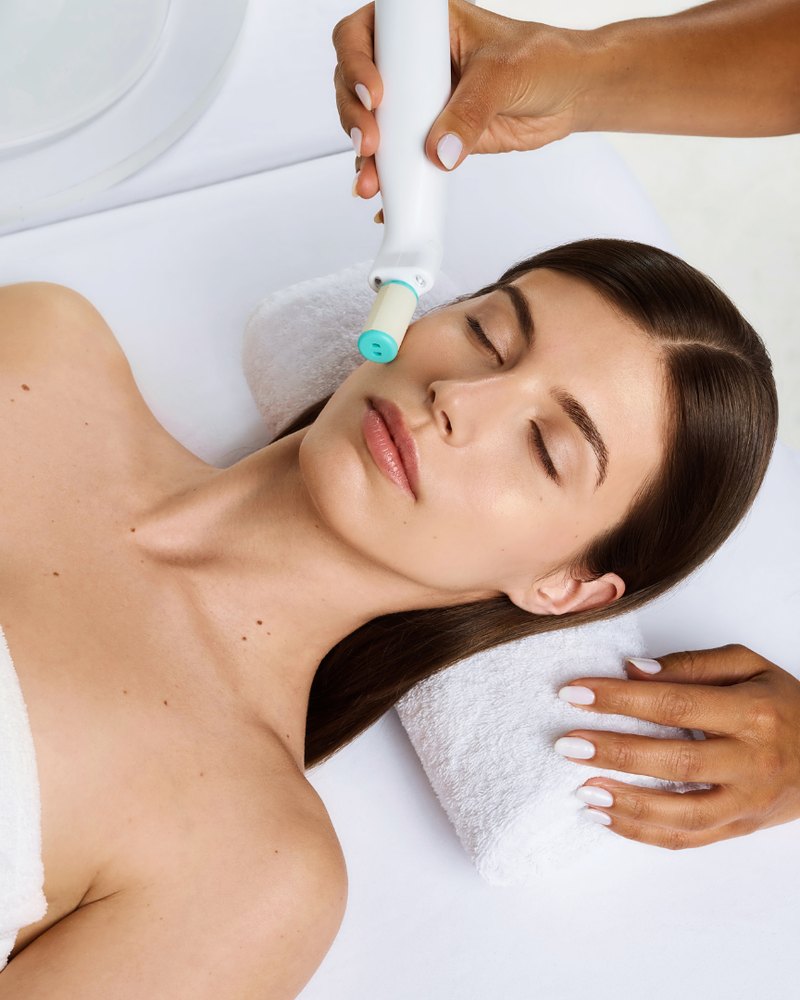
Bloomea® is a mechanical skin resurfacing device from France, first developed by plastic surgeons to fade post-operative scars. It boosts elastin and collagen naturally, without heat, light or needles.
How does Bloomea work on scars?
Bloomea is a two-step treatment. First, macro-exfoliation gently levels the scar surface layer by layer to smooth texture and unify the complexion. Second, high-frequency micro-vibration tones the skin and stimulates elastin and collagen. It is used in the later stage of a plan, once a scar has flattened, to refine the surface and soften the visible border between scar and normal skin.
What does Bloomea do for my scar?
- Smooths residual scar texture and ridges
- Softens the edges of surgical and traumatic scars
- Reduces post-inflammatory pigmentation
- Improves elasticity and tone of the surrounding skin
Which areas can be treated?
Face, neck, décolletage and body.
What can I expect?
Bloomea is gentle and comfortable, and each client has a personal single-use tip. The skin may look slightly pink for a few hours, and results improve with each session.
Session
~30 min
Typical course
4–6 sessions
Interval
1–2 weeks
Downtime
Minimal
Which Technology Is Right for Me?
| Technology | Energy | Best for | Comfort | Downtime | Price range | Skin types |
|---|---|---|---|---|---|---|
| Regenlite PDL | 585–595 nm pulsed dye laser | Red, active keloids; mixed scars | Gentle warmth to intense heat | Minimal to moderate | $250–$750 | All |
| Nordlys | Nd:YAG 1064 nm + Frax 1550 + SWT | Deep vascularity, texture, colour | Gentle warmth to intense heat | Minimal to moderate | To confirm | Assessed at consultation |
| Cryotherapy | Controlled cold (Cryojet) | Thick, bulky or older keloids | Cold sting | Minimal to moderate | To confirm | All; lightening risk on darker skin |
| LPG Endermologie | Mechanical stimulation | Fibrosis, adhesions, tightness | Massage-like | Minimal | To confirm | All |
| Microneedling | Mechanical micro-channels | Old, pale scars; residual texture | Numbing cream used | 1–3 days | To confirm | All |
| Bloomea | Exfoliation + micro-vibration | Final smoothing and blending | Gentle | Minimal | To confirm | All |
Your Personalized Keloid Treatment Plan
Keloids respond best to a combination approach, sequenced to the age and stage of your scar and tailored after a free consultation. For aged or stubborn keloids, the final goal is not removal but reducing the keloid’s thickness while improving its signs and symptoms, such as itching and overactive vascularity.
1. Scar assessment
We look at the scar's size, thickness, colour, age and activity, review your skin type, medical history and any past treatments, and check whether you are working with a dermatologist or surgeon.
2. Stop the growth
Regenlite (vascular mode) and Nordlys Nd:YAG reduce the blood supply feeding the keloid, while cryotherapy shrinks thick, bulky areas. For older, pale keloids, cryotherapy or microneedling comes first to restart the healing response.
3. Remodel and blend
LPG Endermologie reorganizes collagen and releases adhesions, Nordlys Frax 1550 and SWT even out texture and colour, and microneedling and Bloomea refine the surface so the scar blends into the skin around it.
4. Maintain and prevent recurrence
Keloids can return, so some maintenance sessions might be necessary after the treatment sessions are complete. We also schedule follow-up checks and guide you on home care such as silicone sheets or pressure where suitable.
Who is suitable?
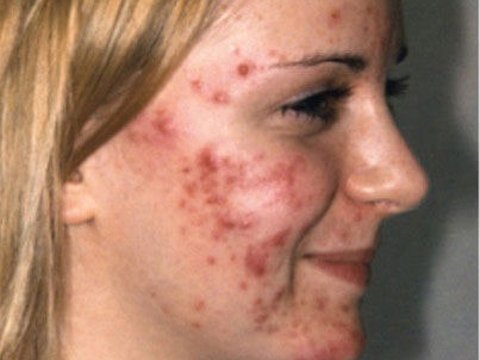
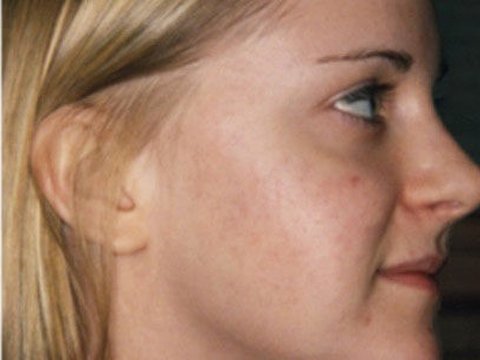
These treatments suit healthy teens (with parental consent) and adults with keloids or hypertrophic scars from piercings, surgery, C-sections, acne, burns or injuries, on the face or body. Newer red or pink scars usually respond fastest, and older scars can still improve with a longer, staged plan. They also suit people who want to avoid or reduce repeated surgery, and they can complement steroid injections or other care from your dermatologist or surgeon.
Frequently Asked Questions
Can my keloid be removed completely?
Our goal is to make the scar flatter, softer, less red or dark and more comfortable, so it is far less noticeable. Results depend on the scar’s size, age and location. For aged or stubborn keloids, the final goal is not removal but reducing the keloid’s thickness while improving its signs and symptoms, such as itching and overactive vascularity.
How many sessions will I need?
Most clients need several sessions over a few months, often combining two or three technologies. Newer scars generally need fewer sessions than older or larger keloids. We give you a realistic plan and estimated cost at your consultation.
Can keloids come back?
Yes, keloids can recur, especially if any redness or firmness remains. That is why we treat the blood supply and inflammation as well as the size, and why follow-up is part of every plan. Some maintenance sessions might be necessary after the treatment sessions are complete.
Is it painful?
With Regenlite and Nordlys, most clients feel a range of sensations, from gentle warmth to quick, intense heat, depending on the laser treatment settings. LPG and Bloomea feel like a massage. Cryotherapy stings with cold for a short time. Numbing cream might be used for some techniques, such as microneedling, Nd:YAG or Frax 1550. Most clients find all of them tolerable.
Is treatment safe for darker skin?
Yes. Keloids are more common in darker skin, and Regenlite, LPG, microneedling and Bloomea suit all skin types. For Nordlys we choose settings after assessing your skin type, and with cryotherapy we take extra care because it can lighten the treated spot.
Do you treat other scars too?
Yes. We also treat surgical, acne, burn and atrophic scars and stretch marks. See our Scar Removal and Active Acne & Acne Scar pages.
Begin Your Clinical Journey
Every skin profile is unique. Schedule a complimentary, in-depth consultation with our medical aesthetics experts. We will carefully assess your physiological needs and engineer a customized “Green Beauty” treatment plan utilizing our industry-leading technologies.
First time here? Make sure to claim your free consultation; otherwise, click Book Your Session